Home Renovation Contractor: Bringing Your Vision to Life
A home remodeling contractor functions as an essential bridge between a homeowner's dreams and the technical demands of building. They merge artistic insight with practical knowledge, ensuring that projects adhere to structural integrity and local regulations. Such collaboration can simplify the remodeling journey, but it also raises important considerations. Knowing how to select the ideal contractor and sidestepping frequent mistakes is fundamental to realizing a meaningful improvement in your residence. What important factors should homeowners be aware of?
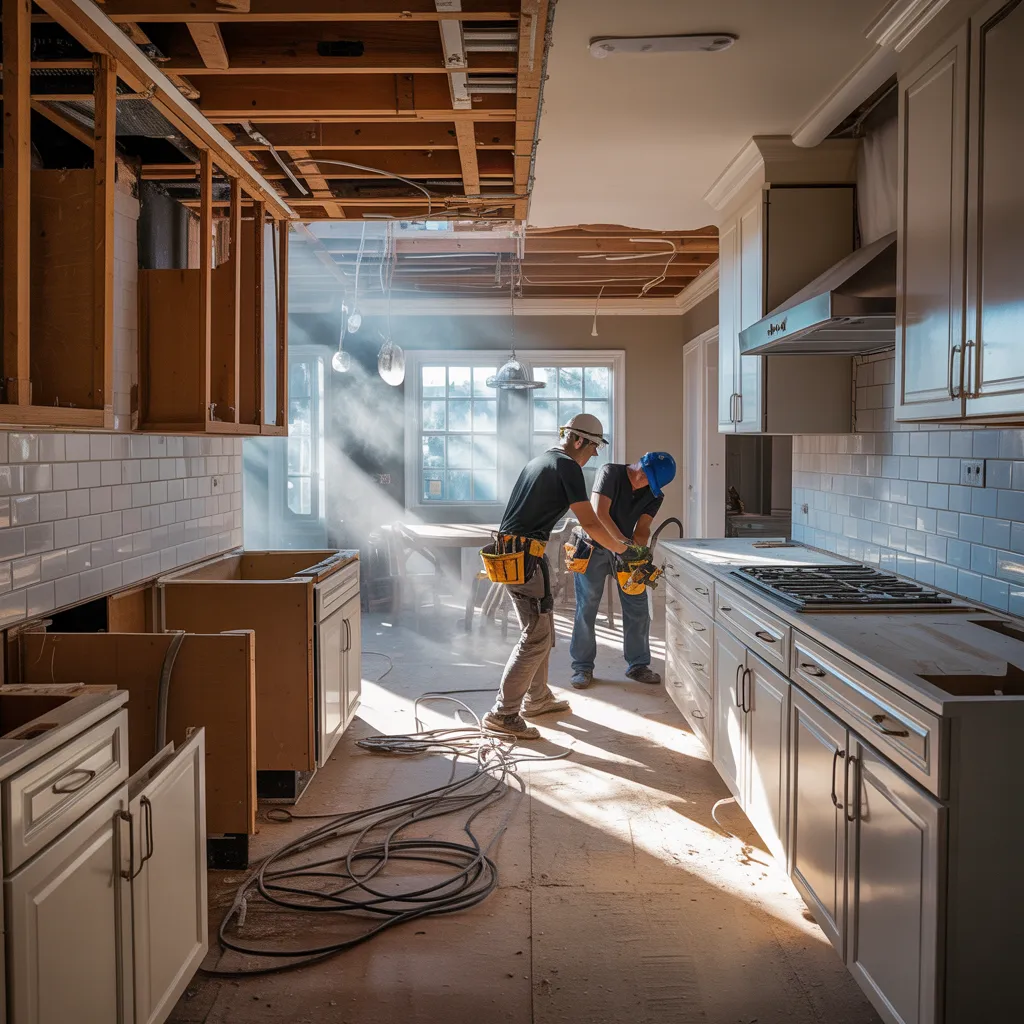
Ways a Home Renovation Contractor Can Assist You
A residential renovation specialist brings visions to life by guiding homeowners through the complex renovation process. They start by evaluating the homeowner's goals, ensuring that it aligns with the practicalities of the space. Through careful planning, contractors optimize the process, working alongside numerous contractors and suppliers to keep timelines and costs on track.
In addition, their proficiency aids in handling local regulations and securing required permits, minimizing potential legal issues. Renovation contractors also deliver meaningful perspectives on material choices and design trends, enhancing the overall aesthetic and functionality of the project. Their ability to solve problems is critical when unexpected challenges arise, permitting rapid changes without compromising the project timeline.
Ultimately, a home remodeling contractor functions as a valued expert, making sure that the renovation process is smooth and that the end result aligns with the homeowner's desires while preserving structural soundness and overall safety.
Key Advantages of Working with a Home Renovation Contractor
Recruiting a home renovation contractor delivers considerable benefits that can simplify the renovation experience. Their expertise and experience guarantee that renovations are finished successfully and to a superior standard. Additionally, working with a professional can reduce both time and costs, making the complete remodeling experience less stressful for property owners.
Knowledge and Experience
Skill and expertise play a vital role when undertaking home renovation projects. Home renovation contractors possess specialized knowledge that allows them to handle intricate tasks with ease. Their understanding of local regulations and building codes secures conformity, avoiding expensive setbacks or legal complications. Furthermore, professional contractors have established relationships with reputable suppliers and subcontractors, which can elevate the caliber of materials and construction quality. This expert foundation enables them to anticipate possible obstacles, providing answers that a homeowner may not consider. At the conclusion of the day, engaging a skilled contractor not only improves the standard of the remodel but also builds assurance in the property owner, knowing that their goals are being handled by qualified experts. This level of proficiency converts concepts into real outcomes, making the renovation process more efficient and rewarding.
Time and Financial Efficiency
A key benefit of working with a skilled renovation contractor is the significant time and financial savings they offer throughout the process. Renovation contractors simplify the entire process by overseeing timelines, organizing labor, and procuring materials, which limits disruptions and maintains project momentum. The strong supplier connections they maintain often result in more competitive material costs, which means reduced expenses for homeowners. Additionally, experienced contractors excel at identifying potential issues before they arise, minimizing unexpected expenses. By leveraging their expertise, property owners can sidestep expensive errors that stem from a lack of experience. In the end, hiring a home renovation contractor proves worthwhile with a more organized and productive renovation journey, guaranteeing the project meets both financial and scheduling goals.
Key Questions to Ask Before Hiring a Contractor
Before hiring a home renovation contractor, it is essential to take into account key questions that can impact the outcome of the project. Reviewing their experience and expertise, verifying licensing and insurance, and understanding the project timeline and budget are essential steps in reaching an informed decision. Addressing these aspects can help facilitate a smooth renovation process.
Experience Levels and Areas of Expertise
When starting on a home renovation project, recognizing a contractor's skills and knowledge is vital for guaranteeing successful results. Clients should ask about the contractor's years in the industry, specific types of projects completed, and understanding of pertinent materials and approaches. Evaluating a contractor's portfolio can provide insight into their approach and craftsmanship. Moreover, asking for references allows future clients to assess the experiences of past clients. It is also beneficial to explore any advanced training or credentials that the contractor might hold, as these can indicate a commitment to professionalism. At the end of the day, a contractor's experience and expertise greatly influence the renovation's overall quality, rendering these questions essential before making a hiring decision.
License and Insurance Confirmation
Ensuring that a home renovation contractor holds the appropriate licensing and insurance is vital for homeowners aiming to protect their property investment and minimize potential risks. A legitimate license confirms that the contractor has satisfied local regulatory standards, guaranteeing adherence to safety and building codes. Homeowners should verify the contractor's licensing status through state or local licensing boards to prevent possible legal complications.
Insurance policies, such as worker's compensation and liability, provides monetary security should there be injuries or damages during the renovation process. Homeowners are advised to obtain proof of insurance and ensure its validity. By asking these vital questions, homeowners are able to choose a trustworthy contractor, safeguarding their project from unforeseen complications and providing peace of mind throughout the remodeling process.
Project Schedule and Financial Overview
A thorough grasp of project timelines and budgets is essential for homeowners considering a renovation. Before hiring a contractor, important questions should be answered. Homeowners should ask about the estimated start and completion dates, including any potential setbacks and their origins. It is also necessary to discuss the overall budget, covering material expenses and labor charges, to prevent unforeseen costs. Homeowners need to discuss payment plans and whether provisions exist for unexpected problems. Additionally, understanding how changes to the project may affect both timeline and budget is critical. By resolving these matters ahead of time, homeowners can ensure a more seamless renovation experience and match their expectations to the contractor's abilities.
Picking the Ideal Home Renovation Contractor: Important Tips
How should homeowners approach the often overwhelming process of finding the most suitable home renovation contractor? Initially, they should collect recommendations from friends, family, or online reviews to gather a list of potential candidates. Next, verifying credentials is essential; homeowners should verify that contractors hold proper licensing, insurance, and experience in the particular kind of renovation required.
Setting up meetings helps homeowners to evaluate how contractors communicate and conduct themselves, which are key markers of a successful working relationship. In these sessions, reviewing budgets and project timelines can define expectations. It is equally important to gather and review past client references, giving insight into the contractor's reliability and quality of work.
Ultimately, obtaining comprehensive written quotes from multiple contractors helps homeowners make informed comparisons. By implementing these measures, homeowners can effectively identify a contractor who matches their vision and project needs.
Understanding What to Expect in the Home Renovation Process
When beginning a home renovation, property owners can expect a comprehensive process that develops across various steps. It begins with a thorough consultation where homeowners articulate their ideas and expectations. This phase typically includes discussing aesthetic preferences, building materials, and project timelines.
After the initial meeting, the construction professional will develop detailed timelines and project outlines, enabling an structured process for the construction project. Once there is sign-off, the renovation moves into the construction phase, during which installations, demolition, and structural alterations are carried out. Property owners ought to prepare for various interruptions, as daily routines could be impacted.
Consistent communication is crucial throughout the renovation to manage any unanticipated challenges or modifications. As the project progresses, as the renovation approaches its final phase, concluding elements such as painting and decorating will be completed. At the conclusion of the process, clients can look forward to a collaborative process that turns their original concept into a concrete outcome, necessitating trust and patience in their preferred contractor.
How to Manage Your Home Renovation Budget
Budgeting for a home renovation necessitates meticulous planning and deliberation. To begin, homeowners need to establish the scope of the project, specifying particular renovations and expected results. Such clarity assists in developing a realistic budget. Subsequently, researching costs for materials, labor, and permits is vital. Collecting several quotes from contractors can offer a clearer picture of potential costs.
It is also advisable to set aside a emergency reserve, usually 10-20% of the total budget, to cover unanticipated expenditures. Home renovators should carefully consider their improvement priorities, differentiating between essential and non-essential items, which can help facilitate well-considered choices if budget constraints arise.
Ultimately, keeping track of expenditures throughout the remodeling project confirms that spending aligns with the original financial plan. By adhering to these guidelines, property owners can develop a comprehensive fiscal roadmap that backs their renovation goals while decreasing unexpected setbacks during the project.
Frequent Renovation Errors to Steer Clear Of
When starting on a home renovation, homeowners often overlook critical details that can cause costly mistakes. One common error is failing to accurately estimate the budget, which can lead to unfinished projects or hasty decisions. Furthermore, neglecting to obtain necessary permits can result in legal complications and costly fines.
Another frequent oversight is not get started accounting for the timeline, leading to delays and frustration. Many homeowners also tend to overlook the significance of hiring skilled contractors; inferior workmanship can jeopardize the quality and safety of the renovation.
Furthermore, prioritizing trendy designs over enduring ones can lower a home's worth. Finally, inadequate communication with contractors can create misunderstandings and unfulfilled expectations. By understanding and sidestepping these pitfalls, homeowners can guarantee a smoother renovation process, ultimately achieving their vision without unnecessary setbacks.
Frequently Asked Questions
What Is the Typical Duration of a Home Renovation Project?
A typical home renovation project usually takes from a few weeks up to several months, influenced by the scope and complexity of the work, the size of the space, and the availability of materials and labor.
What Permits Are Required for Home Renovations?
Home renovation projects commonly demand multiple permits, such as electrical, plumbing, building, and zoning permits. The particular requirements are determined by local rules and the overall scope of the project, necessitating consultation with local authorities to confirm compliance before beginning the project.
Can I Live in My Home During Renovations?
Yes, it is possible to remain in their house during renovations, but it often causes inconvenience and interruptions. Important aspects to evaluate include the scale of the renovation, potential safety hazards, and the ability to use critical utilities during the renovation process.
What Occurs if Unforeseen Problems Emerge During Renovation?
Unexpected issues during renovation can cause delays, increased costs, and alterations in the project scope. Experienced contractors usually assess the problem, consult with the property owners, and offer practical solutions to ensure the work continues without major disruption in spite of complications.
How Should I Care for My Home Once Renovations Are Complete?
To preserve a home's condition after renovations, periodic inspections, regular cleaning, and swift repairs are vital. Homeowners must examine surfaces, watch for leaks, and upkeep HVAC systems to protect the home's look and function for years to come.